How Cabinet Lighting Changes the Look of a Finish
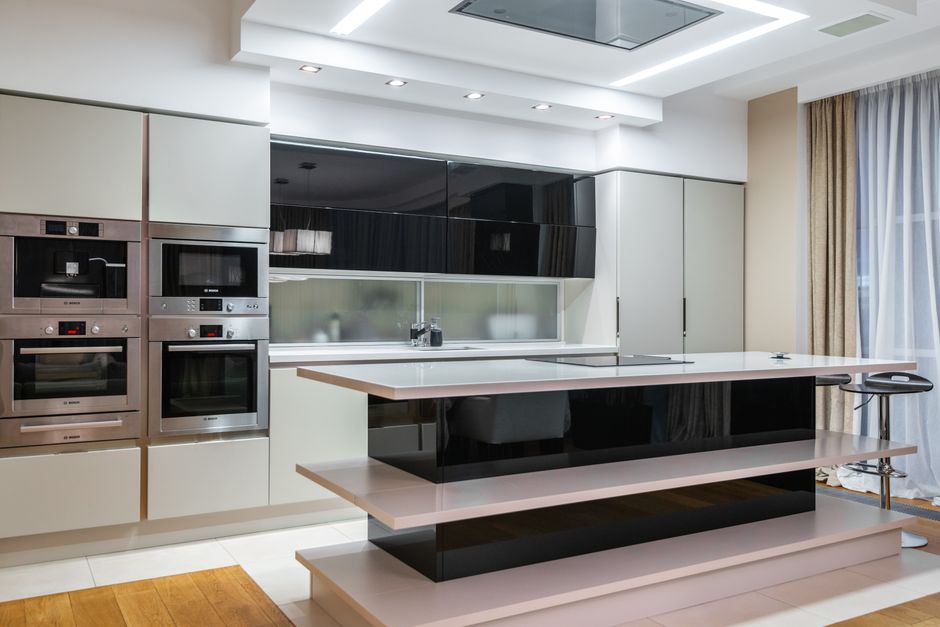
The light strip does one job: it throws a band of light across the counter, and the same band rakes across the door faces and shows every brush stroke and ripple. Every teardown cabinetry austin tx the illuum has logged shows the same thing about a cabinet door, that a finish judged in daylight can look different at nine at night under the strip. In Austin, TX, where evening kitchens glow warm after a day of sun on Mount Bonnell and the hills around it, the colour temperature matters as much as the paint code.
Warm light and cool light
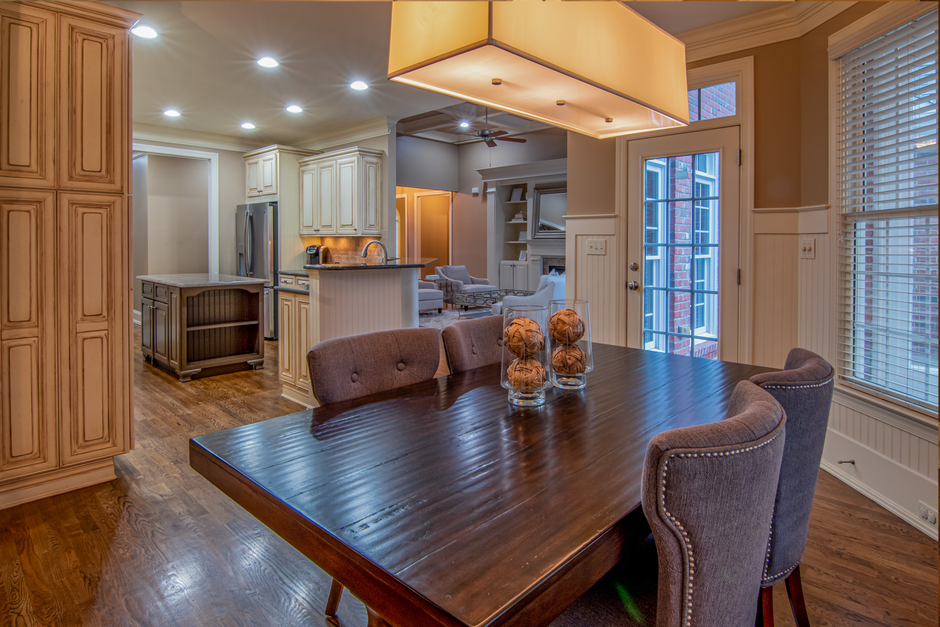
Warm bulbs push whites toward cream and bring out the red in maple and oak stains. Cool bulbs make the same white look blue-grey and flatten the grain in a stained door. A painted sage green looks muddy under a very warm strip and fresh under neutral light. The sample door should be held up under the bulbs that will actually be installed, not the showroom lamps.
Where the strip sits
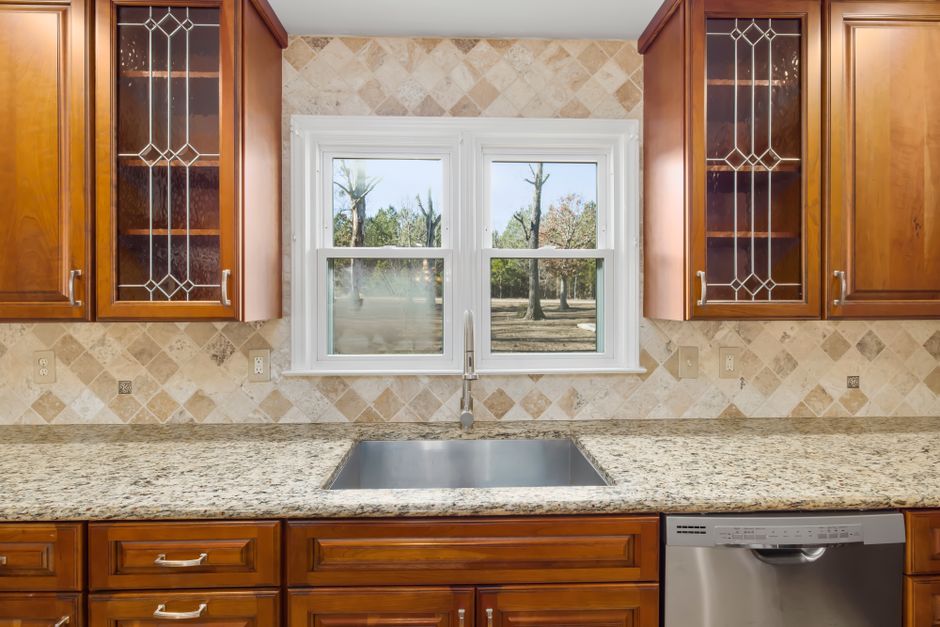
A strip mounted at the front edge of the upper cabinet lights the counter but also throws glare off a glossy backsplash. Mounted near the wall at the back, it washes the tile and keeps the counter in softer light. A strip hidden behind a small lip rail disappears from view when someone is standing at the counter. A puck light spots a single area and creates scallops on a gloss finish, so a flat strip works better over a long run.
Sheen under raking light
A satin finish hides small defects better than gloss under any lighting. A slab door in a high-gloss paint shows every dent in the mdf under a raking strip, while a raised panel scatters the light into a pleasant pattern. A stained door with an open grain, such as oak, turns the grain into a texture that rakes bright, and a painted shaker door shows its rail joints as faint lines.
Glass and open shelving
Lighting inside a glass-front cabinet wants a diffuse source at the top and front, and it should not point at the glass. Open shelves look best with a low-glare strip above, hidden by a small rail, so the wood tone rather than the bulb draws the eye. Pulls and knobs in polished metal catch the same light and can throw a bright dot across a door, which is worth testing before the hardware is drilled in.
Testing the combination
Hang a sample door under a temporary strip for an evening. If the finish reads right after dark and in morning light, the pairing is sound. If the colour shifts too far, the fix is usually the bulb and not the paint, and a strip with a different colour temperature costs far less effort than a repainted run.