Touch-Up and Daily Care for Cabinet Finishes in Texas Homes
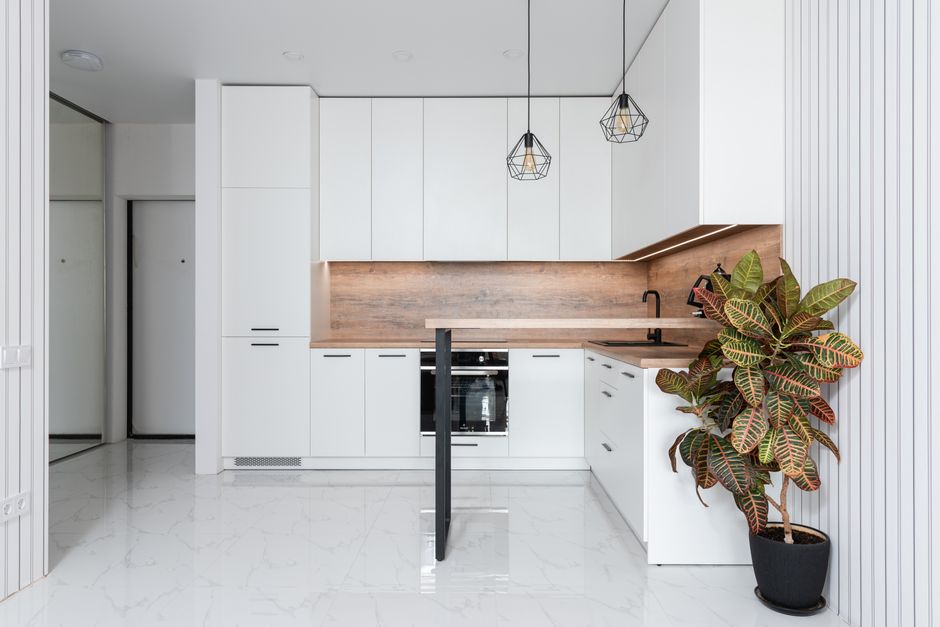
Ten minutes of the wrong cleaner can take a year off a cabinet finish, and the damage usually starts around the pulls and knobs. The care notes at cabinetry austin tx the illuum start with where hands land, because in a humid Austin, TX kitchen the oils, steam and sunscreen that reach a cabinet door all do their work in the same few inches of the door edge. A touch-up kit kept in a drawer is the cheapest repair there is.
Daily cleaning
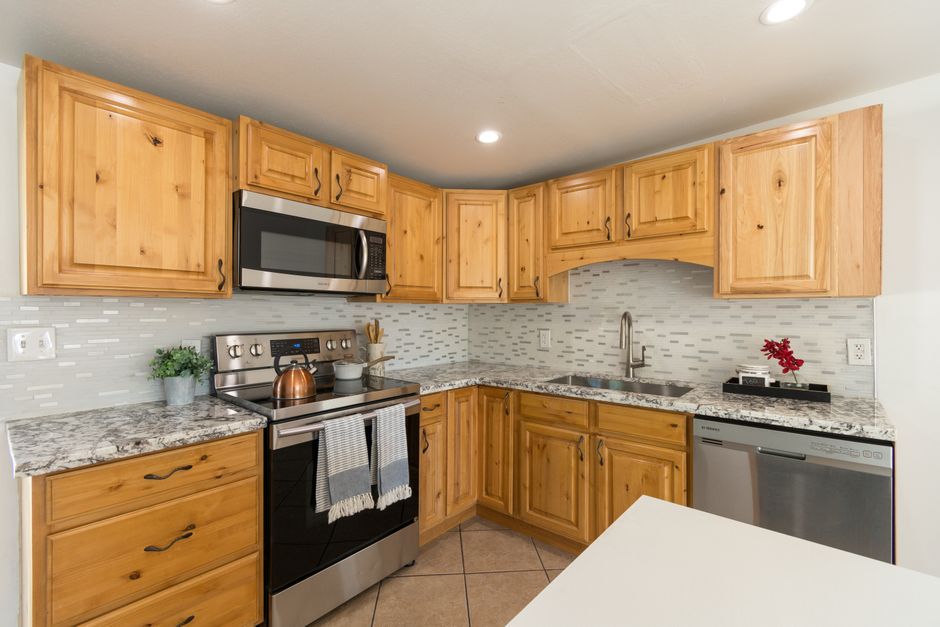
A soft cloth with warm water and a drop of mild dish soap removes cooking film from most painted and stained finishes. Wipe, rinse with a clean damp cloth and dry straight away, since standing water at a seam works into mdf edges and swells them. Abrasive pads and ammonia sprays dull a satin sheen and leave a pale patch.
Around pulls and knobs
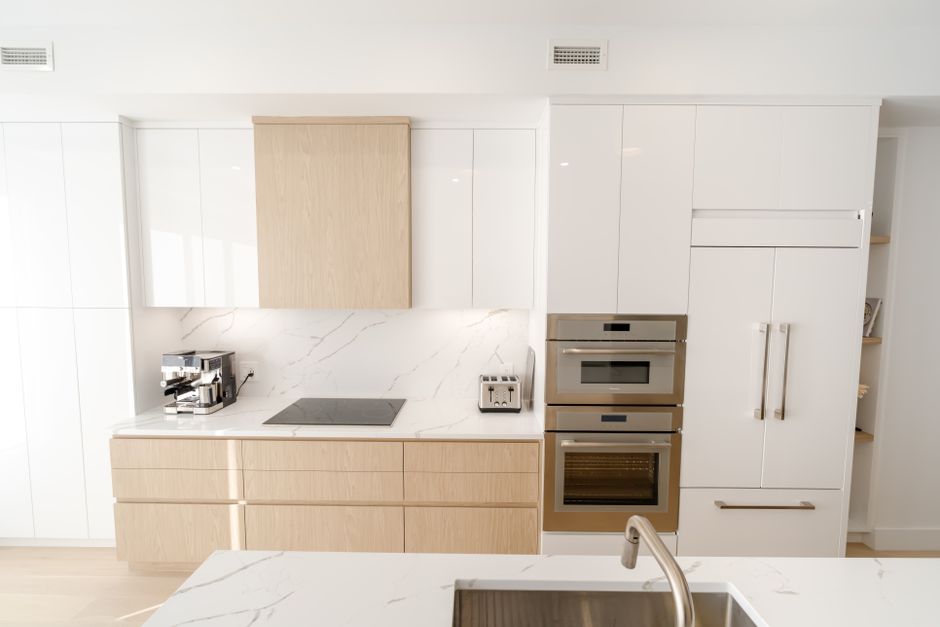
The worn patch around a knob is skin oil softening the topcoat. A small clear felt bumper at the bottom corner of the door stops it slapping the frame, and a thin pad under a knob stops the tightening torque from crushing the finish. When a pull is replaced, the old screw holes should be filled and finished, not left for a new backplate to hide.
Touching up a chip
A chip down to bare wood on a painted door needs a dab of primer, then two thin coats of the original paint built up level with a fine artist brush, never one thick blob. On a stained door, a wax filler stick close to the stain colour, then a dab of clear lacquer, hides a nick on maple or oak. Test the colour on the inside of a door first, because stain deepens as it dries.
Hot, humid, moving houses
Austin sits where the Balcones Fault divides limestone hills to the west from clay soil to the east, and houses on clay shift a little with each wet and dry cycle. That movement opens hairline cracks in paint at face frame joints, which caulk and a quick touch-up can close. Summer sun through a window also bakes the finish, so a seasonal wipe and a close look at the sunniest door catches wear early.
When touch-up is not enough
If the finish is peeling in sheets or the doors have gone tacky, refinishing is the next step, and it begins with sanding back to a sound layer. A set of doors with a damaged veneer or a swollen mdf core may be better served by refacing with new door fronts on the original carcass.