Choosing Pulls and Knobs for Kitchen Cabinets in a Hot, Humid House
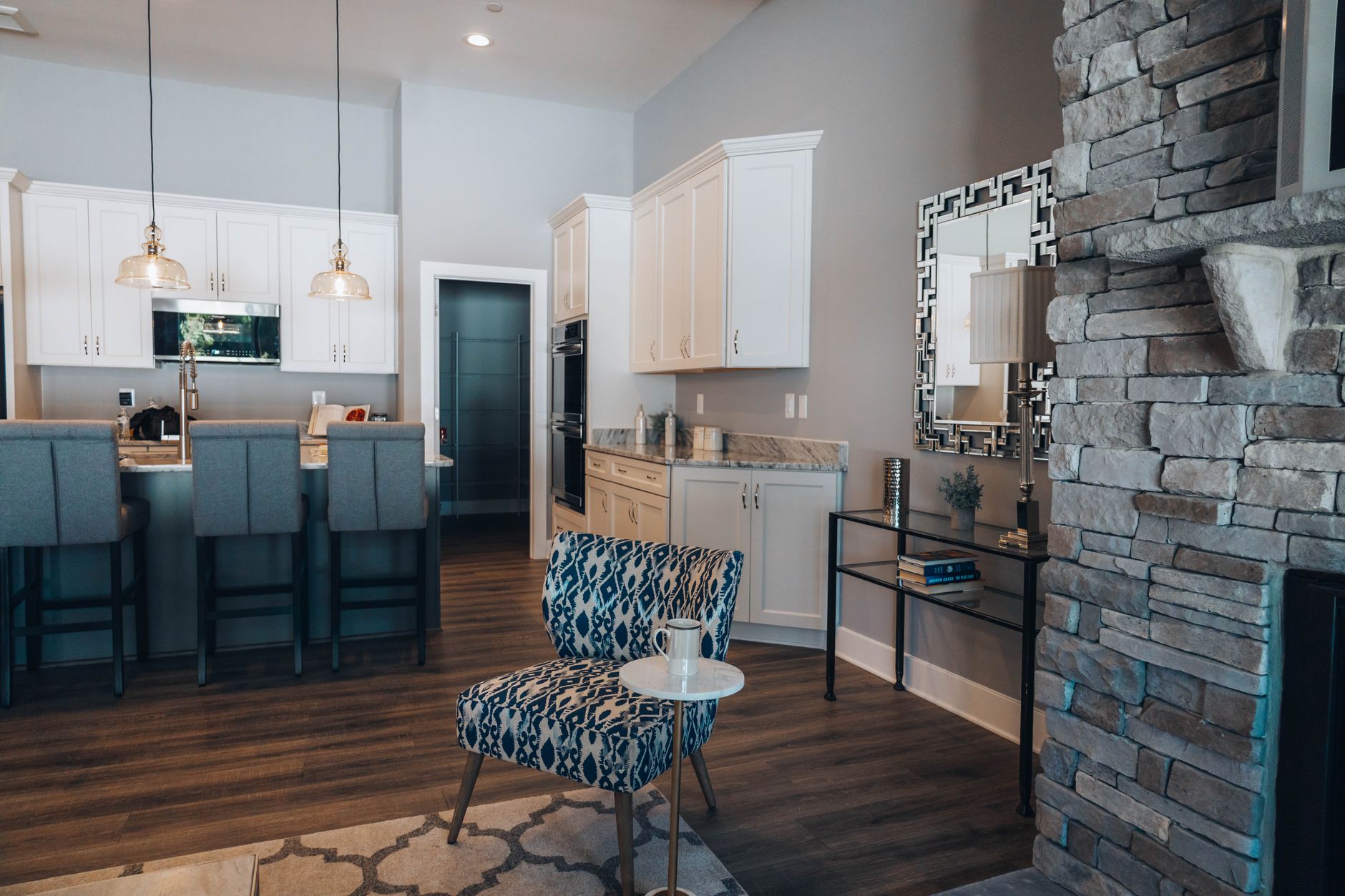
Hardware is the last thing bought and the first thing touched. Every cabinet door in an Austin kitchen is opened and closed many times a day, and the pull or knob takes the whole load of that habit. It also takes the first wear on the finish. Choosing hardware well is partly about looks and partly about leverage, spacing and how the metal will behave in a hot, humid house.
Which style of pull suits which door?
A shaker door has a flat centre panel framed by a rail and stile, and it takes almost any hardware. A bar pull reads clean and modern on a shaker front, and a round knob reads traditional. A slab door, with no frame at all, shows hardware more than any other style, so a long, thin pull or an edge pull that disappears into the top of the door looks deliberate. A raised panel door is busier and tolerates a simple knob or a small cup pull better than a large, ornate piece, which fights with the profile.
Inset doors, which sit inside the face frame instead of in front of it, need hardware with a short projection, because the door has almost no overlap and a bulky pull catches the frame edge. A full overlay door can carry a more generous pull, and a partial overlay door on an older face frame should have a pull sized to the narrow strip of door that is visible.
A quick guide by cabinet and use
| Where it goes | Works well | Watch for |
|---|---|---|
| Upper door, full overlay | Small knob or short bar pull near the bottom corner | A pull too long for the stile, which then hits the neighbouring door |
| Base door | Knob or bar pull near the top corner | Hardware set too low, which makes bending the only way to open the door |
| Wide drawer | Long bar pull, centred, or two knobs spaced evenly | A single small knob that twists the drawer box as it opens |
| Deep pot drawer | Long pull, set high on the front | Pulls with sharp ends that catch an apron or a sleeve |
| Glass-front door | Small knob or slim pull | Thick backplates that cover a narrow frame |
| Pantry or tall door | Long vertical pull at hand height | Hardware placed to match the other doors rather than the hand |
Spacing and size, the mechanical part
Pulls are measured between the screw centres, and the measurement has to match the holes in the door exactly. Common spacings come in a small number of sizes, so a kitchen being refitted can often reuse existing holes if the new pull matches. When the old holes cannot be reused, they have to be filled, sanded flush and refinished, and the repair shows in a glossy finish if it is rushed.
A good rule for length is proportion: on a base door of ordinary width, a pull roughly a third of the door width looks right, while on a long drawer the pull can run a good part of the width. A bar pull that is too short for a heavy drawer concentrates the pull on a small point, and the drawer box racks as it opens. Two knobs spaced across a wide drawer give a more even pull than one.
The screw also matters. A screw that is too long pushes through the back of a thin door and shows, and one that is too short strips the thread in the wood. A drawer front on a dovetail drawer box often has a double thickness at the front, which needs a longer screw than the door beside it. Washers or a small spot of thread locker keep the hardware from loosening as the doors swing, which they do within a year if left alone.
How does hardware affect the finish?
The wear patch around a knob is skin oil, sunscreen and kitchen film settling at the one place everyone touches. Painted finishes show it as a dull, slightly yellow halo, and stained finishes show it as a darker, glossier patch. A harder topcoat resists it longer, and a quick wipe with mild soap on the door around the pull keeps it from building.
Heavy hardware can crush the finish when it is tightened, so a thin washer or a small felt pad under the backplate protects the paint. Cheap hardware with a rough underside scratches painted doors as it is turned, and a soft clear bumper on the back of a knob is a minor fix that saves a repaint. On a stained door of maple or oak, a pull set on the grain line looks tidy, while one set across a visible seam can look accidental.
Which metal finish holds up in a hot, humid kitchen?
Metal finishes behave differently in the heat. Solid brass and bronze darken slowly and develop a patina, and some owners like the aged look while others find it uneven. Lacquered brass keeps its shine until the lacquer wears, usually at the point where fingers rest, and then it tarnishes in patches. Stainless steel resists corrosion and keeps its colour. Matte black is a coating, so it can wear to bare metal at the touch points, and the contrast looks worse than a plain finish that ages evenly.
Kitchens near water, such as those around Lady Bird Lake, the Colorado River or Barton Springs Pool, are damp for much of the summer, and hardware near the sink sees the most moisture. Hardware that is plated over a soft core can bubble if water gets under the plating, so a solid metal pull near the sink is the safer pick. In dry stretches in the Texas Hill Country air, the same hardware is rarely a problem, so the choice depends on how the kitchen is actually used.
Matching hardware to light and colour
Hardware is a third colour in the room, after the cabinet and the wall. Brass on a deep green or navy lower run stands out against pale uppers, and black pulls on a white run give a graphic, strong line. Brushed nickel and stainless sit quietly against both warm and cool colours, and that makes them the easy choice for a kitchen that may be repainted. Cabinet lighting changes this again, since a warm light brings out brass and a cool light flattens it, so the hardware sample belongs under the strip lights that will be used.
In the small kitchens of Hyde Park, Travis Heights and Clarksville bungalows, restrained hardware that matches the era usually looks right: simple knobs on doors and bar pulls on drawers. Larger kitchens in Tarrytown and Mueller carry longer pulls and a stronger metal contrast without overwhelming the room.
Soft close and the feel of the door
Soft close hinges and drawer slides change how much force the hardware must take. A door that closes itself gently needs only a light pull to open, so a small knob works. A heavy drawer on a full-extension slide benefits from a long pull, which spreads the load across the hand. Slides with a push-to-open mechanism need no hardware at all, but they leave fingerprints on the door face, which a finish with a hard topcoat handles better than a soft one.
Fitting and checking the work
Use a drilling template, not a ruler and a pencil, because a one millimetre error is obvious on a long row of doors. Mark every hole before drilling, and drill through the door with a backing board behind it so the exit side does not chip. Test the pull on the first door before drilling the rest, and hold it in place for a day or two if there is any doubt about the height. After fitting, check each door and drawer by hand: the pull should feel stable, the door should close without catching, and the reveal around each door should be even.
Keep the extra screws and a spare pull in a labelled bag in a drawer, along with the touch-up paint and the finish name. A missing pull a year later is easy to replace when the spacing, the finish and the screw length are written down.
In short
Pick pulls and knobs by door style, hand height and the metal that suits the room's moisture and light. Then fit them with a template and check every door by hand.