Questions Austin Homeowners Ask Before Refinishing Kitchen Cabinets
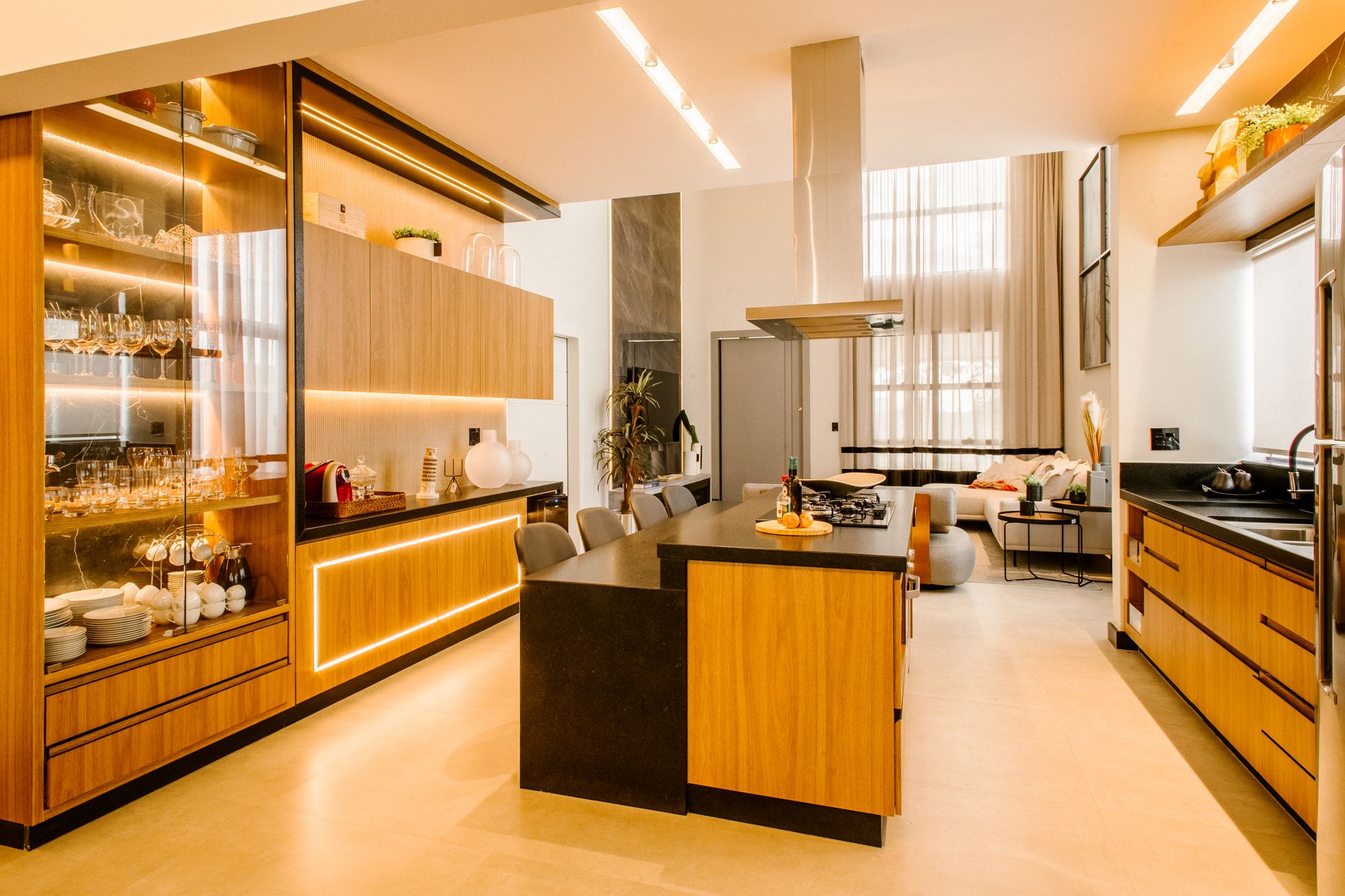
Refinishing is the quiet middle option between living with tired cabinets and tearing them out. The boxes in many Austin kitchens are sound, built from plywood or solid hardwood decades ago, and only the surface has given up. What follows answers the questions that come up most often before a refinishing job starts, from how long the work takes to what happens to the hinges, written from the shop floor side of the work.
What does refinishing actually involve?
Refinishing means keeping the existing doors, drawer fronts and boxes and replacing the coating on them. The doors come off, the hardware comes off, and each door is numbered on the hinge side so it returns to the same opening. Old grease and polish residue are removed first, because any sanding over silicone polish drives it into the wood and the new coat will fish-eye. Then the old finish is scuffed or sanded, flaws are filled, a bonding primer goes on if the job is painted, and the new coating is applied in thin, even passes.
Refacing is a different job. It keeps the boxes and replaces the doors and drawer fronts, usually with a new door style. A kitchen that needs a new look and a new layout of doors is a refacing candidate, while a kitchen that only needs fresh colour on a good door style is a refinishing candidate.
How long does a refinishing job take?
Most of the time goes to drying and curing, not to the visible work. Doors usually leave the house for several days so they can be sprayed in a clean booth and cured flat. The boxes are done in place and need masking, drop cloths and ventilation, which is its own routine in a house with an open kitchen. A typical kitchen is out of service for the doors for about a week and a half, and the finish still keeps hardening for weeks afterward. During that period the surfaces are tender, so no heavy loads in the drawers, no tape on fresh paint, and no harsh cleaners.
Can stained cabinets be painted, and can painted ones be stained?
Stained cabinets can be painted without trouble. Open-grained woods such as oak need grain filler first, or the grain shows through as a texture under the paint. Some owners like that texture, and some do not, so a sample door is worth making before the whole kitchen is committed.
Going the other way is much harder. Paint sits in the pores and the corners of the profile, and getting it all out leaves a patchy colour that a stain will not cover evenly. Painted maple or birch doors that are meant to turn back into stained doors usually need to be replaced, and that is a refacing job. A flat slab door made of mdf can never be stained at all, since there is no wood grain to show.
What about thermofoil and melamine?
Thermofoil is a vinyl skin heated and pressed over mdf, and melamine is a paper layer fused to a board. Neither one takes paint easily. Thermofoil that has started to peel near the oven or the dishwasher is a sign of heat damage, and the fix is usually new doors on the old boxes. A melamine box in good condition can stay, because it is the door faces that carry the look of the kitchen.
Does Texas weather change the plan?
It does, in a few specific ways. Summer light through west windows fades dark paint and stain on the sunny side of the room faster than on the shaded side. A kitchen in a bright house near Lady Bird Lake or on a hillside facing Mount Bonnell should get a topcoat with ultraviolet protection, and the colour should be chosen with that fading in mind. Humidity matters at the sink wall, where an unsealed mdf edge swells under paint, so edges are sealed with primer before the colour goes on.
Seasonal swings in the clay soils that sit east of the Balcones Fault also move older houses a little. A cabinet that was snug in the winter can show a hairline crack at a painted face frame joint the following summer. A flexible caulk at the joint and a tight, thin paint film are the best defence, and a very thick coat of paint is the worst, because it cracks first.
Is spray better than brush?
For doors, spraying gives a flat, even film with no brush marks and a faster cure. A two-part conversion varnish or a catalysed paint gives the hardest film, and it is the standard choice where the cabinets take daily wiping. Brushing and rolling can look very good when the painter levels the paint with a conditioner, and it makes sense for boxes that stay in the house. Many jobs combine both: sprayed doors in a booth, and brushed or rolled face frames in place.
What happens to the hinges and the hardware?
Hinges are removed, cleaned and refitted, or replaced if they are tired. A euro hinge is adjusted in three directions after the doors return, which brings every reveal back to an even gap. If the old hinges were the surface-mount type with a visible barrel, a switch to concealed hinges is a bigger carpentry change and belongs in a refacing scope.
Pulls and knobs are a good time for a decision. Existing holes can be reused if the new hardware matches the spacing, or they can be filled and refinished if the hardware changes. The filling matters: a patched hole that was not sanded flush shows through a glossy finish for years. A hardware swap that leaves holes open to the edge of the new backplate looks careless, so the plan for pulls and knobs is settled before painting, not after.
How is colour chosen?
Colour is chosen on a real door, in the real kitchen, in more than one kind of light. A sample painted on a spare door and hung in place for a week shows how it behaves at morning, noon and evening. Under-cabinet lighting changes the picture again after dark, because a warm strip pulls whites toward cream and a cool strip pushes them toward grey. A good sample is the cheapest insurance against a repaint.
Older houses in Hyde Park, Clarksville and Travis Heights often have small kitchens with a lot of trim, and a single colour on the cabinets with a slightly deeper one on the trim reads cleanly. A larger kitchen in Mueller or Tarrytown can take two tones, with a darker lower run and lighter uppers.
Which finish lasts longest?
The hardest films come from catalysed coatings such as conversion varnish, and a well-built water-based enamel with a hardener comes close. Standard wall paint, even a good one, is soft and takes a long time to cure on a cabinet, and it marks easily. The prep matters as much as the product: a hard coating on a poorly cleaned surface peels, and a modest coating on a perfectly prepared surface lasts.
Can a damaged door be repaired before refinishing?
Often, yes. Small dents in solid wood can be steamed out, chips in a rail can be filled and sanded, and a cracked panel in a raised panel door can be glued and clamped. A door with a swollen mdf core or a blown thermofoil face is not worth the repair, and a replacement door in the same style is a better path. The shop matches the replacement to the finish, so it reads as part of the original set.
What should be done before the crew arrives?
Empty the cabinets, because every drawer and shelf is touched during prep. Clear the counters, cover or move small appliances, and ask where the doors will be cured so there is a clean place for them. Mention any previous paint jobs and any cleaning products that were used, since a heavy silicone polish habit changes the prep. Decide on the hardware and colour in advance, so the shop can order and test without holding up the schedule.
After the job, treat the surface gently for a few weeks. Wipe with a soft cloth and plain water, leave a small gap between doors and drawers until the film has hardened, and keep the touch-up paint labelled and stored somewhere cool and dry.
A short word to close
Refinishing suits sound cabinets with a tired surface, and it fails mainly when the prep is rushed. A sample door, a hard topcoat and a sealed edge deal with most of what Austin weather throws at a kitchen.