Open Shelving or Glass-Front Doors in an Austin Kitchen
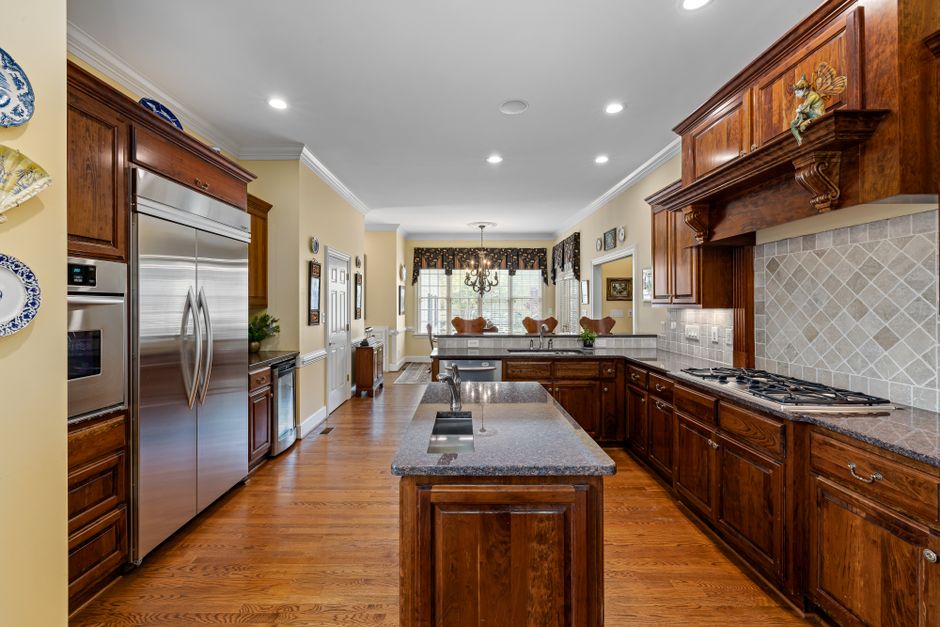
The faint tackiness on a plate pulled from an open shelf above the range is grease film, and it tells the story of every open-shelving decision. Among the figures kept at cabinetry austin tx the illuum is a plain pattern: a cabinet that shows its contents needs more wiping than one that hides them. In Austin, TX, where kitchens cook with the windows open and dust blows in from the Texas Hill Country in dry spells, that pattern is amplified.
What collects on open shelves
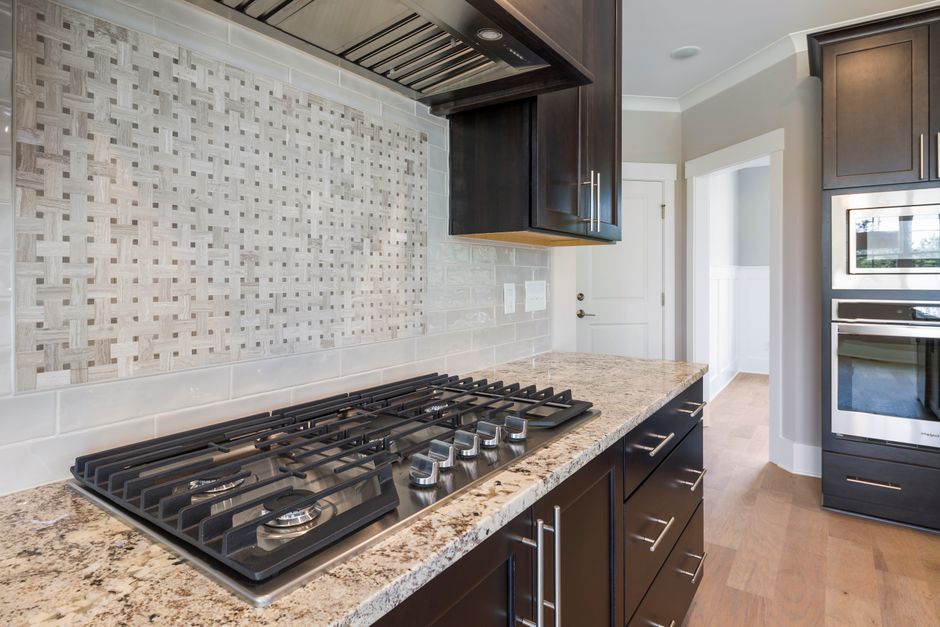
Airborne grease settles in a thin film within a month or two on any shelf within six feet of a cooktop. Dust sticks to that film, and the result is a grey coat that a damp cloth moves around rather than removes. Shelves over a sink or a coffee station fare better, and shelves in a dining nook or beside a window fare better still.
How glass-front doors change it
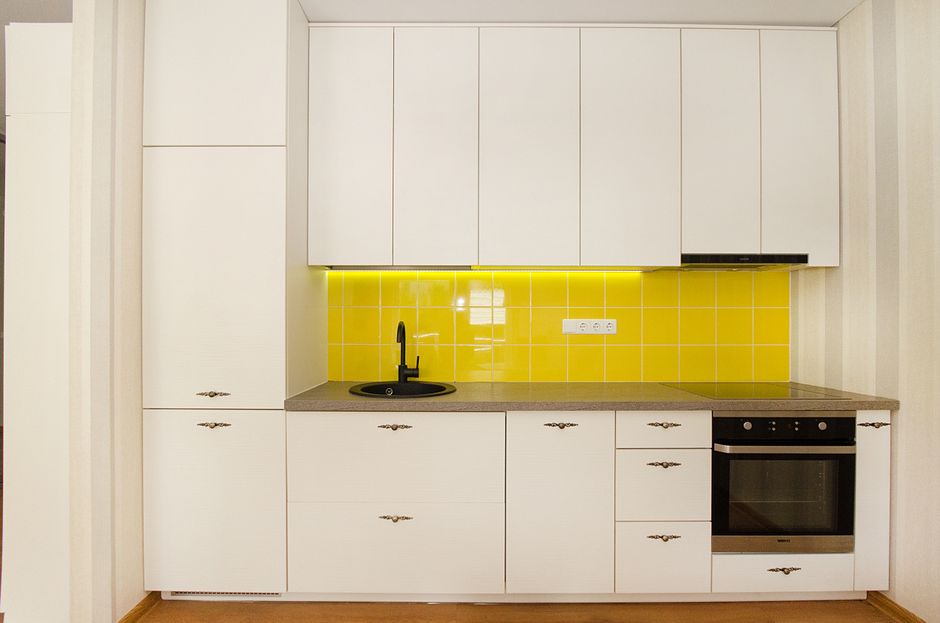
A glass-front door keeps the film off the dishes and puts it on the glass, which wipes clean in a minute. The door still needs a frame, so a shaker-style rail and stile around a clear panel is the usual build, with a face frame or full overlay layout to match the rest of the run. Seeded or reeded glass hides what sits behind it and suits a shelf that is never tidy.
Making open shelves work
Shelves in solid hardwood such as maple or oak, finished with a hard topcoat, wipe clean far more easily than raw plywood edge or melamine. A routed edge profile gives a shadow line, and a thin edge looks neat. Keep the open run away from the range and use it for glasses, bowls and everyday plates that get washed often.
Lighting and the display
Cabinet lighting behind glass or under an open shelf draws attention to every object, so only what looks good should go there. A low-output strip along the back edge of a shelf avoids glare on the glass. Soft close hinges on a glass door matter more than on a solid one, because a slam rattles the contents and stresses the glass at the hinge points.
A middle path
Many kitchens in Austin mix the two, with one open shelf bay beside the window and glass-front doors on the run near the range. The solid doors stay where grease and clutter collect, and the display areas stay where a quick wipe is realistic. Painted shelves need a harder coating than the doors around them, since plates scrape the surface far more than a hand ever does, and a stained shelf in maple hides small marks better than a painted one in white.