Conversion Varnish Compared With Brushed Paint on Cabinet Doors
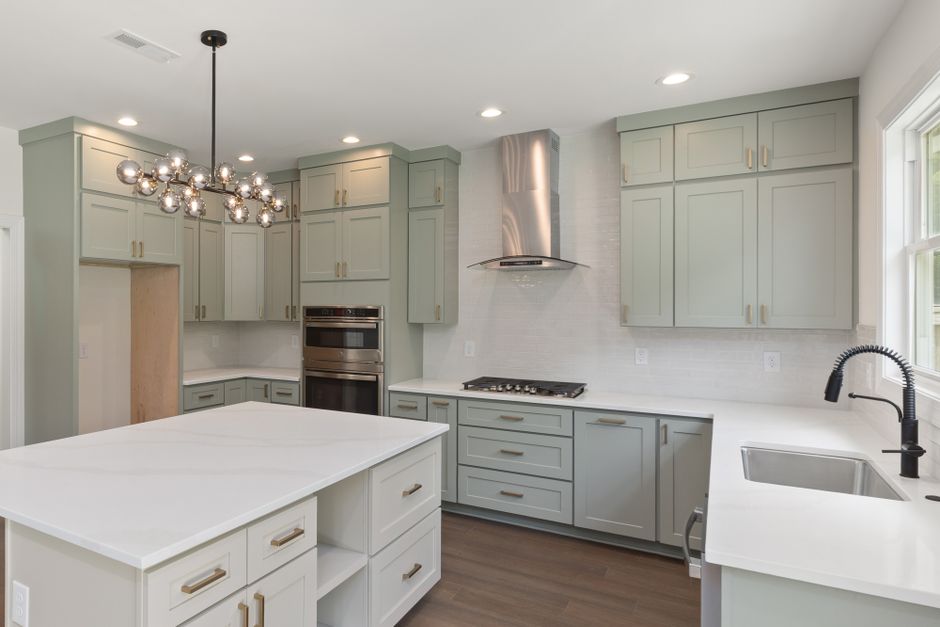
On a door that gets wiped down daily in a humid kitchen, the choice between a sprayed conversion varnish and a brushed paint stops being cosmetic. Work booked through cabinetry austin tx the illuum is measured against that wiping, because a cabinet in Austin, TX near Zilker Park gets the same abuse as any kitchen that cooks every night. The two coatings harden differently and repair differently, and that matters more than the label on the can.
How each coating hardens
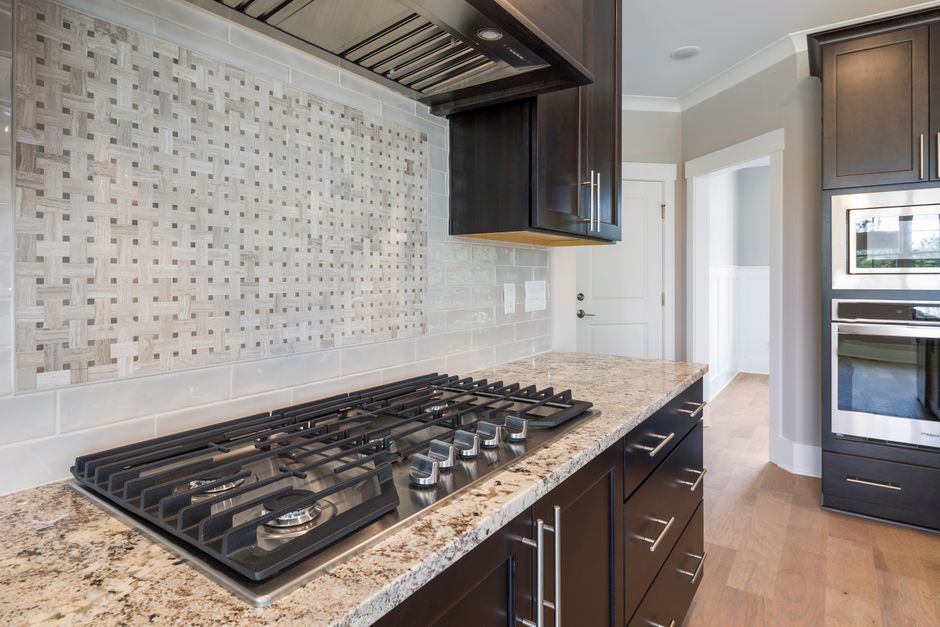
Conversion varnish is a two-part coating that cures by chemical reaction after a catalyst is mixed in, so the film turns hard and chemically resistant instead of only drying. Brushed paint dries by evaporation and stays softer for weeks, since a fresh coat can still mark from a fingernail or a pot handle long after it feels dry to the touch. A paint film on a shaker door rail can print a sponge pattern if it is wiped too early.
Sheen and the way it reads
Spraying lays the coating down flat with no brush texture, so a satin or matte sheen looks even across a slab door. Brushed work leaves faint lap lines on a wide panel unless the painter levels it with a conditioner and a fine roller. On a raised panel the brush gathers in the profile corners, where sprayed coating stays thin and crisp.
Wood and substrate
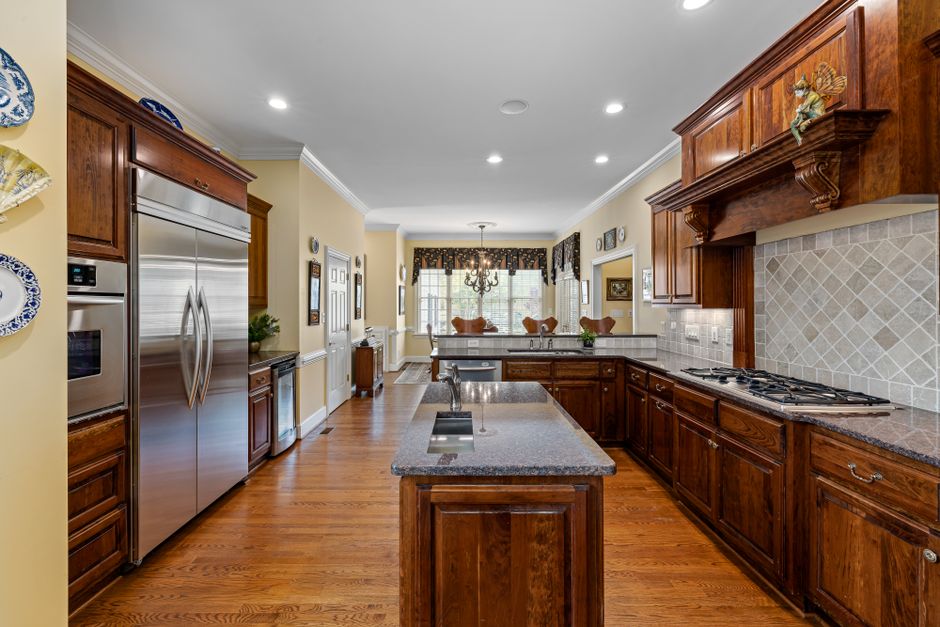
Conversion varnish is the usual topcoat over stained maple, oak and birch, and it also goes over paint on mdf in a shop with a spray booth. Brushed coating can be applied in the kitchen itself, which is its one real advantage, since a refinishing job often needs doors painted in place with the hinges masked. Work done on site has to cope with dust and humidity, and every euro hinge cup gets masked with care so the coating does not glue the hinge arm.
Repairing a chip
A chip in brushed paint can be touched up with a small brush and blended in a few passes. Cured varnish does not melt into itself, so a repair means scuffing a wider zone and respraying or spot-coating with matching sheen. That is why shops often keep a labelled sample of the batch used on each job, and why a half-used can of the original paint is worth keeping in the garage.
Which suits which kitchen
Heavy-use kitchens with open stained hardwood do well under varnish, and painted kitchens that the owner will touch up suit a durable brushed enamel. Humid weeks near Barton Springs Pool or the Colorado River make the cure schedule matter, since a coating applied on a damp day can cloud as it cures. Fresh doors also stay tender for a while, so heavy loads in the drawer box and tight stacking of plates should wait until the film has hardened.